Completely Machinima

S6 E210 WoW: Among Fables and Men (Jan 2026)

Tracy Harwood Podcast Episodes January 22, 2026 Leave a reply

We begin with a heartfelt tribute to the late Frank Fox — filmmaker, musician, and beloved member of the machinima community. From his classic MovieStorm film Morning Run Amok to his live music performances as “Frank Leonatra,” we reflect on his creativity, generosity, and the lasting impact he had on virtual filmmaking and the people who loved him.

Then we dive deep into one of the most visually unique and emotionally powerful machinima ever made:

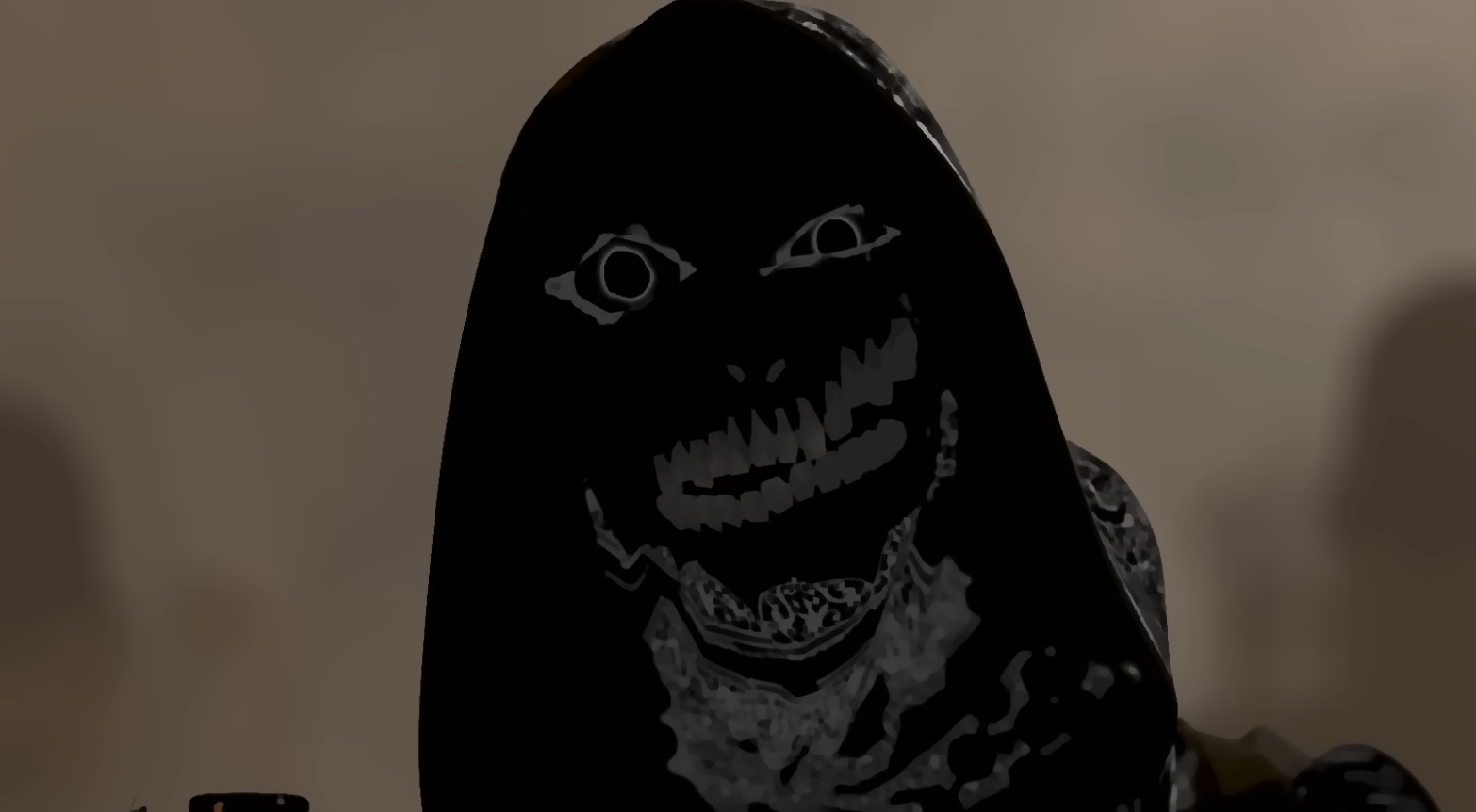
🎥 “Among Fables and Men” (2007) by Tobias “Dopefish” Lundmark.

Created in World of Warcraft using an experimental motion-comic style, this five-minute film is a masterclass in:

  • Visual storytelling without dialogue
  • Music-driven narrative
  • Surreal atmosphere and symbolic design
  • Why bold artistic style can outlive “realistic” graphics

We explore its production history, its Japanese folklore and graphic-novel influences, its innovative camera and compositing techniques, and why it still feels fresh nearly 20 years later.

If you love:
✨ Machinima history

🎮 Game-based filmmaking

🎼 Cinematic sound design
🎨 Experimental visual style
📽️ Virtual production as true art

…this episode is for you.

In the history of machinima, Among Fables and Men stands out as a quiet but profound turning point, not because it pushed technical realism, but because it expanded the very idea of what machinima could be. At a time when most creators were striving to replicate the look and grammar of live-action cinema – dialogue, shot-reverse-shot editing, lip-sync, and narrative realism – Tobias “Dopefish” Lundmark chose a radically different path. He treated the game engine not as a virtual film set, but as raw visual material, closer to animation cels, comic panels, and theatrical tableaux than to conventional cinematography.

The film’s motion-comic style, its use of cut-out figures moving through layered 3D space, its panel-like framing, and its subtle depth illusions created a hybrid language that sat somewhere between graphic novels, animation, and experimental cinema. By refusing to anchor the story in spoken dialogue or narration, Lundmark allowed music, rhythm, and sound design to become the primary storytelling forces. Meaning emerges through atmosphere and emotional progression rather than through explicit plot mechanics, placing the work in the tradition of visual music and art film rather than scripted drama.

This stylization also gave the film a timeless quality. While many machinima from the mid-2000s now appear dated as game engines evolved, Among Fables and Men still feels fresh because it is not trying to simulate reality. Its abstraction frees it from technological obsolescence and instead roots it in artistic intention. The world of Warcraft becomes a symbolic landscape rather than a literal one, a dreamspace shaped by folklore, surrealism, and the logic of music rather than by gameplay.

Lundmark’s innovation lies in this shift of perspective. He did not ask how to make a game look more like a movie; he asked what kinds of cinema could only exist inside a game engine. By combining modded camera tools, compositing, and graphic design principles, he constructed a personal visual grammar that was neither traditional animation nor traditional machinima. The intense, constraint-driven production process, created in a matter of days, without final voice performances, pushed the film toward suggestion, mood, and symbolic imagery, turning limitation into aesthetic identity.

In doing so, Tobias Lundmark helped demonstrate that machinima could be more than recorded performance or digital theater. It could be poetic, abstract, musically structured, and formally experimental. Among Fables and Men showed that virtual worlds could host not only stories, but also atmosphere, metaphor, and visual philosophy, opening the door for machinima to be understood not just as a technique, but as a legitimate and distinctive cinematic art form.

Audio only version of this episode


YouTube version of this episode

Show Notes & Links

Among Fables and Men by Tobias ‘Dopefish’ Lundmark, released originally in 2007 and was then uploaded to his YT channel 15 years ago, on 8 October 2010

Link to the Archive version of the film is here.

Newgrounds flash graphic novel series ‘Thamesis’ link here.

Knytt Stories, free platformer game released in 2007, link here.

and a run through of the game, which includes some of the fantastic music –

The Snow Witch, made with The Sims, and released just the year before Among Fables and Men won Best Film at the European Machinima Film Festival in 2007 and was reviewed on one of our first podcast episodes, link here.

Malu05 or Mads Lund, was the developer of the WoW machinima tool, link to his channel here.

Peter Greenaway’s controversial comments –

And finally, what’s the difference between Noh and Kabuki Theatre? Check this out!

S6 E209 Source Demoman turned into Ram (Jan 2026)

Tracy Harwood Podcast Episodes January 14, 2026 Leave a reply

This week on And Now for Something Completely Machinima, snacks are flowing, pretzels are implied, and Tracy throws us a curveball of a film pick. 🍪🎬

We dive into “Demoram” by Livviathen, a lightning-fast, 90-second burst of animated chaos made in Team Fortress 2 and Garry’s Mod—and somehow packed with more storytelling, personality, and punch than films ten times its length.

At first glance, it looks like old-school machinima. But look again, and you’ll spot razor-sharp animation choices, perfectly timed sound design, and a wild, Warner Bros.–style cartoon energy that feels both nostalgic and fresh. A furious Scottish cyclops ram, a doomed Scout, explosive slapstick violence, and blink-and-you-miss-it details all collide in a miniature masterpiece.

We talk about:

  • Why less than half the action is actually shown—and why that makes it brilliant
  • How sound design carries the story as much as the visuals
  • The genius of using gaps, cuts, and implication instead of over-animating
  • Why Livviathen’s claim of “not being an animator” absolutely does not convince us
  • And how this short channels Bugs Bunny, Road Runner, and Ren & Stimpy… inside Source Filmmaker

Plus, we explore Livviathen’s behind-the-scenes channel, her creature work (including the unsettlingly awesome Spantis), and why her workflow proves that instinct and timing matter just as much as polish.

Short, silly, ferocious, and shockingly smart—Demoram is proof that machinima can still surprise us.

👉 Watch along, then tell us: what do YOU call someone who animates like this if not an animator?

Audio only version here –


and YouTube version of this episode here –

Here’s the film –

The Demoram by Livviathen, released 20 July 2025

and the making of –

For more about Liv and her creation, Spantis, check this out.

S6 E208 Bad endings = new beginnings? (Jan 2026)

Tracy Harwood Podcast Episodes January 8, 2026 Leave a reply

🎮 What if the “bad ending” of Half-Life… wasn’t the end at all?

In this episode of Completely Machinima, Phil, Tracy, and Damien dive into one of gaming’s most legendary “what ifs.” We explore a fan-made Half-Life mod that does the unthinkable: it turns the game’s infamous impossible ending—the one where you’re meant to die horribly—into a brutal but beatable continuation of the story.

Instead of accepting your fate at the hands of the mysterious G-Man, this mod asks: what if you survived? The result is a fascinating piece of fan fiction-meets-game design, complete with eerie “backrooms” vibes, authentic Half-Life visuals, and a surprising amount of new gameplay—made nearly 20 years after the original game launched.

Along the way, we talk about:

  • Why Half-Life’s world still inspires creators decades later
  • The passion (not profit!) behind modding communities
  • How mods act as hidden résumés for future game developers
  • Steam, new hardware rumors, and the eternal hope for Half-Life 3
  • Plus a bonus machinima pick featuring Ryan Gosling awkwardly—but brilliantly—dropped into Half-Life 2 😄

Whether you’re a hardcore Half-Life fan, a modding nerd, or just love stories about creative communities keeping worlds alive long past their expiration date, this episode is all about the joy of saying: “What if we didn’t stop there?”

👉 Let us know what you think on our socials—tell us which game ending you wish someone would rewrite.

Here’s the audio version of this episode –


and here’s the YouTube version –

Here’s the link to the film –

Surviving the Bad Ending in Half Life (Remastered) by Sanity Lost, released 8 Oct 2025

And the second film is a Half Life machinima that includes Ryan Gosling

Ryan Gosling in Half Life 2 by eli_handle_b.wav released 21 Oct 2025

S6 E207 Is that Bond… James Bond? (Jan 2026)

Tracy Harwood Podcast Episodes January 1, 2026 Leave a reply

🎬 This week on And Now for Something Completely Machinima, we’re shaking (and stirring) things up with a deep dive into Benjamin Tuttle’s long-awaited James Bond machinima, Endgame – Part One 🍸💥

Host Damien Valentine kicks things off by revealing he actually voices Q in the film (recorded years ago!), before the panel digs into why this project is such a standout. Created in iClone and rendered in Unreal Engine, Endgame delivers a Bond look and feel that’s grounded, stylish, and refreshingly not sci-fi flashy—London actually looks like London, and the tone leans classic rather than futuristic.

🎶 From its full-length Bond-style title sequence and original theme song to slick action choreography, witty humor, and loving nods to Bond lore (Spectre, Q, M, Cold War vibes, and yes—the car), we agree: this is a heartfelt homage made with serious craft. There’s also a touching dedication to Ken White, honoring the machinima community that helped shape projects like this.

Of course, no good Bond briefing is complete without critique 👀
We debate storytelling clarity, episodic structure, sound mixing, facial animation quirks, and whether Part One leaves us with enough of a cliffhanger to fully ignite anticipation for what comes next.

🎤 Along the way, we talk:

  • What makes a Bond feel like Bond (without copying the originals)
  • Machinima’s evolution as a filmmaking medium
  • Unreal Engine vs iClone (and why skill matters more than tools)
  • Why this project is a major proof-of-concept for solo creators

💡 Bottom line: Endgame – Part One is ambitious, polished, and packed with love for both James Bond and machinima—and it sparks a lively, thoughtful discussion you won’t want to miss.

👉 Grab your martini, hit play, and join us for one of our most energetic episodes yet.

Here’s the film –

Audio only version of this episode –


and YouTube version here –

S6 E206 Boring, boring… Never! Why Desert Bus is just perfect for machinima (Dec 2025)

Tracy Harwood Podcast Episodes December 25, 2025 Leave a reply

🚍 This Week on Now for Something Completely Machinima 🎮

What if the most boring video game ever made was actually a goldmine for creativity?

This episode kicks off with Ricky’s unconventional pick: Desert Bus, a notorious 1990s “anti-game” by Penn & Teller where you drive a bus from Tucson to Las Vegas… in real time… for eight hours… and earn one point. That’s it. No explosions. No shortcuts. No pause button. Just desert, drift, and existential dread.

But instead of dismissing it as pointless, we flip the script. What if boredom is the point? What if empty, quiet, repetitive spaces are actually perfect canvases for machinima storytelling?

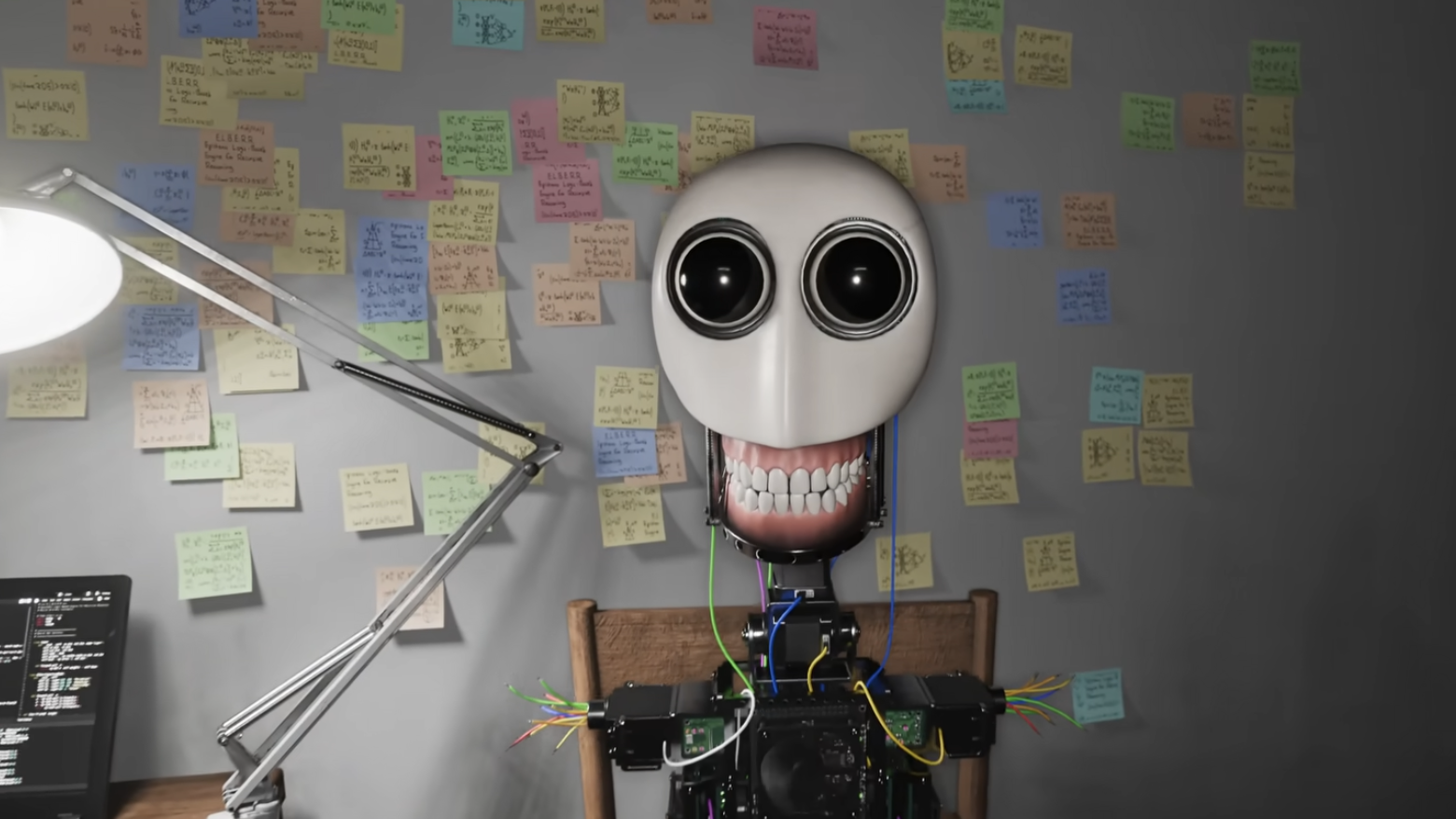
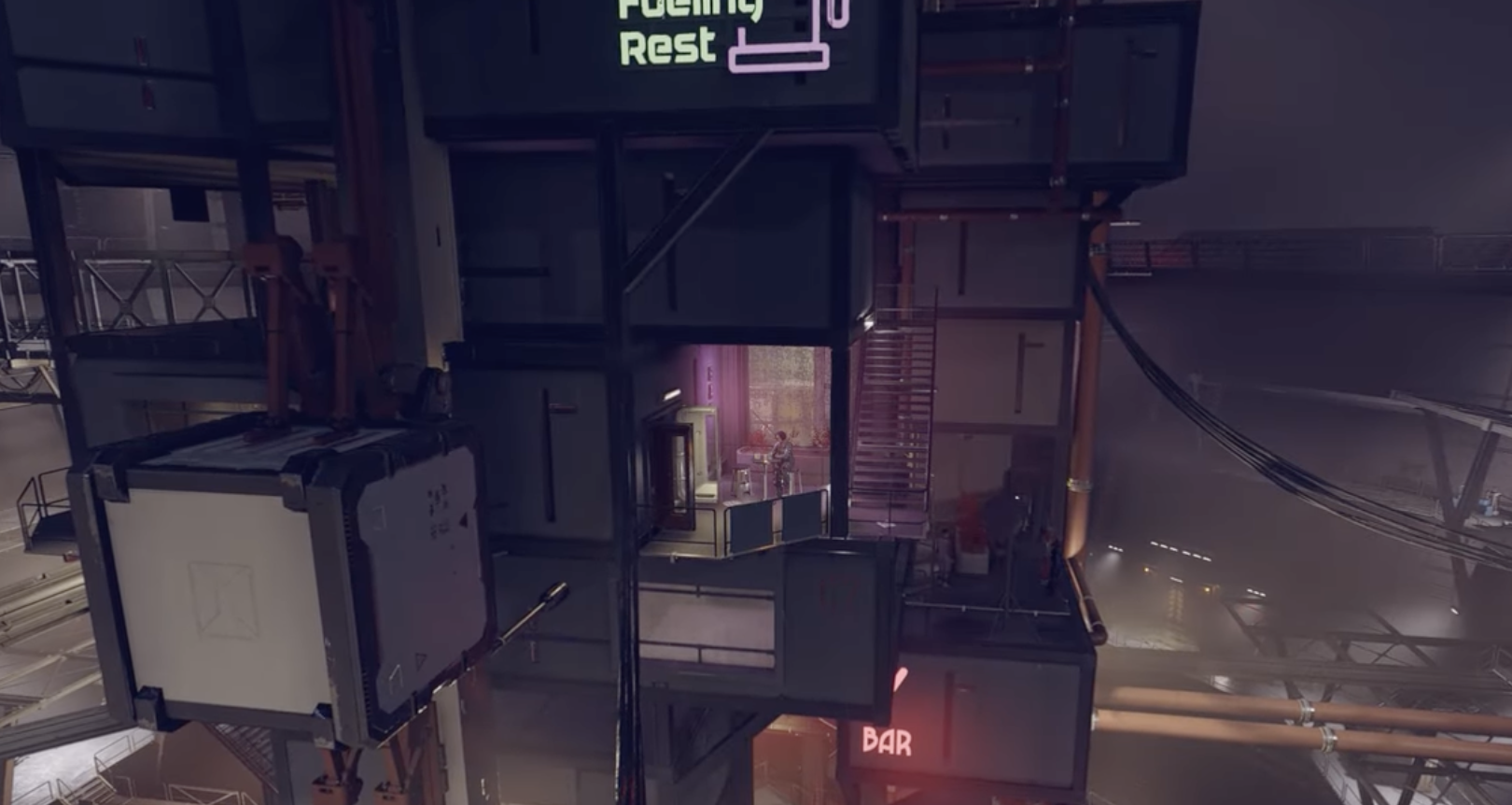
From comedy-driven conversations and Tarantino-style dialogue, to slice-of-life sci-fi journeys, existential bus rides, lonely astronauts, AI companions with zero empathy, and even an eight-hour “Are we there yet?” gag, the group explores how creativity thrives when spectacle disappears.

Along the way, they we into:

  • Why originality matters more than flashy assets
  • How boredom fuels imagination
  • Using obscure, “weird,” or abandoned games as storytelling tools
  • Desert Bus’s surprising cult following and charity legacy (yes, millions raised!)
  • Why machinima has always been about writing, ideas, and voice more than graphics

The big takeaway?

 🎨 Creativity isn’t about having more tools — it’s about seeing possibilities where others see nothing.

If you’ve ever wondered how to turn the dullest game, the quietest moment, or the emptiest road into a compelling story, this episode is for you.

Buckle up. It’s a long ride… and that’s where the good ideas start.

Check out this review of the dullest game –

Audio only version of this episode –


and here’s the YouTube version –

Here’s the link to LoadingReadyRun’s annual fund-raising challenge.

Dave Balls’ artwork link here –

Automating the drive? Check this out here.

A whole stable full of ‘boring’ games can be found here!