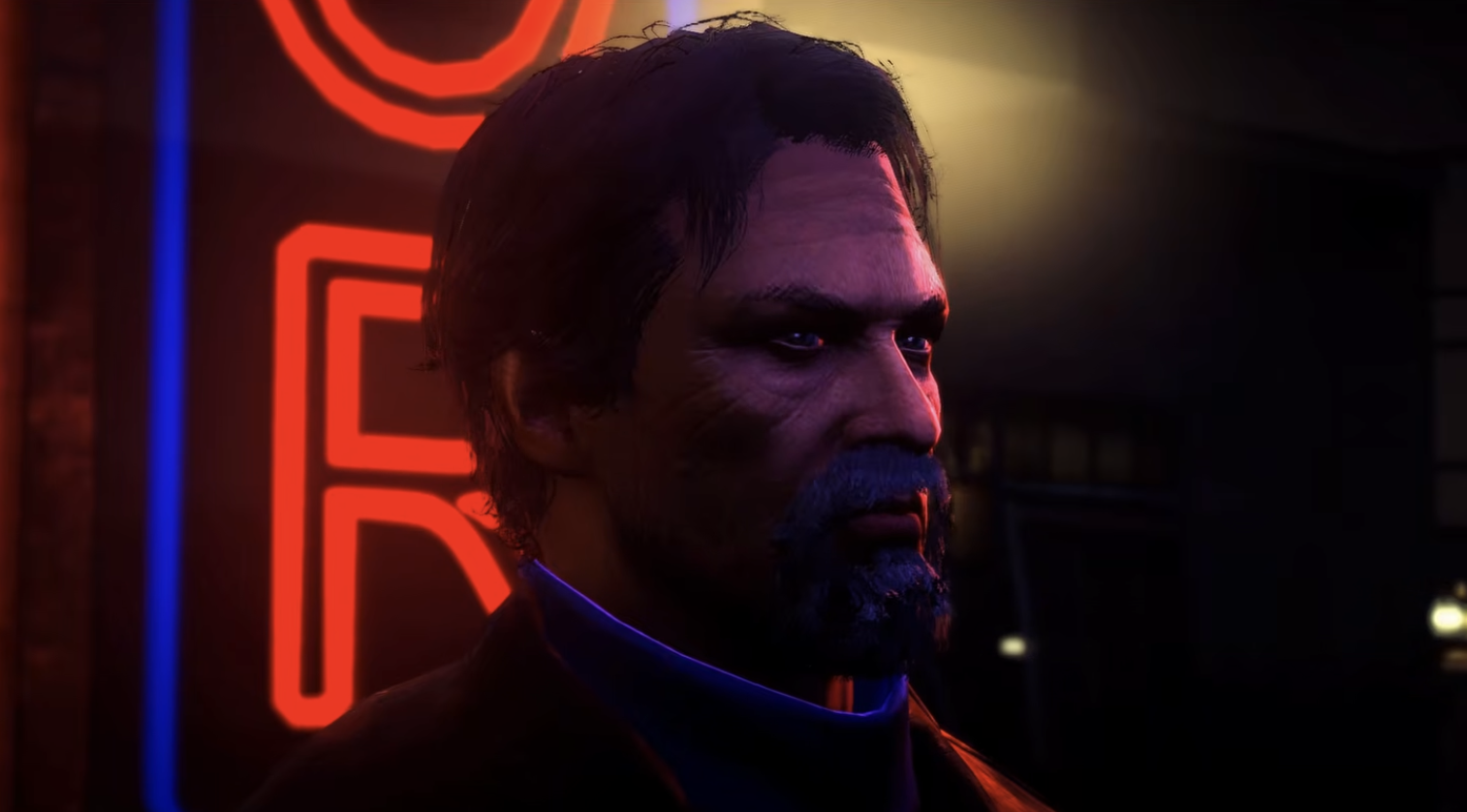
In this episode, we discuss MUELEN, a GTA V machinima written and directed by Troy Hamilton and created by Greenhouse Light Show. The film was runner-up in the Machinimay 2026 competition and stands out for its slow, atmospheric approach to horror.
Rather than relying on action or spectacle, MUELEN tells a mysterious story about grief, trauma and a man struggling to understand what has happened around him. The film gradually blurs memory, reality and the supernatural, leaving the audience to decide how much of what they see can be trusted.
We explore the film’s striking cinematography, muted colour palette, use of fog, carefully designed interiors and slow pacing. Together, these elements transform the familiar GTA V world into an isolated rural setting that feels far removed from Los Santos.
We also discuss the film’s sound design, voice acting and music, including the way the soundtrack creates tension and draws the viewer into the story. Although there are some inconsistencies in the audio mix, the overall soundscape adds greatly to the film’s unsettling atmosphere.
The conversation includes comparisons with Supernatural, Lovecraftian horror, David Lynch and Stanley Kubrick. We also consider why MUELEN feels closer to independent cinema than conventional machinima, and what it suggests about the growing quality and ambition of films being made in GTA V.
Audio Only Version of this Episode
YouTube Version of this Episode
Show Notes & Links
Meulen by Greenhouse Lightshow, released 29 May 2026 for the Machinimay2026 contest, which is organised and hosted by Whanowa
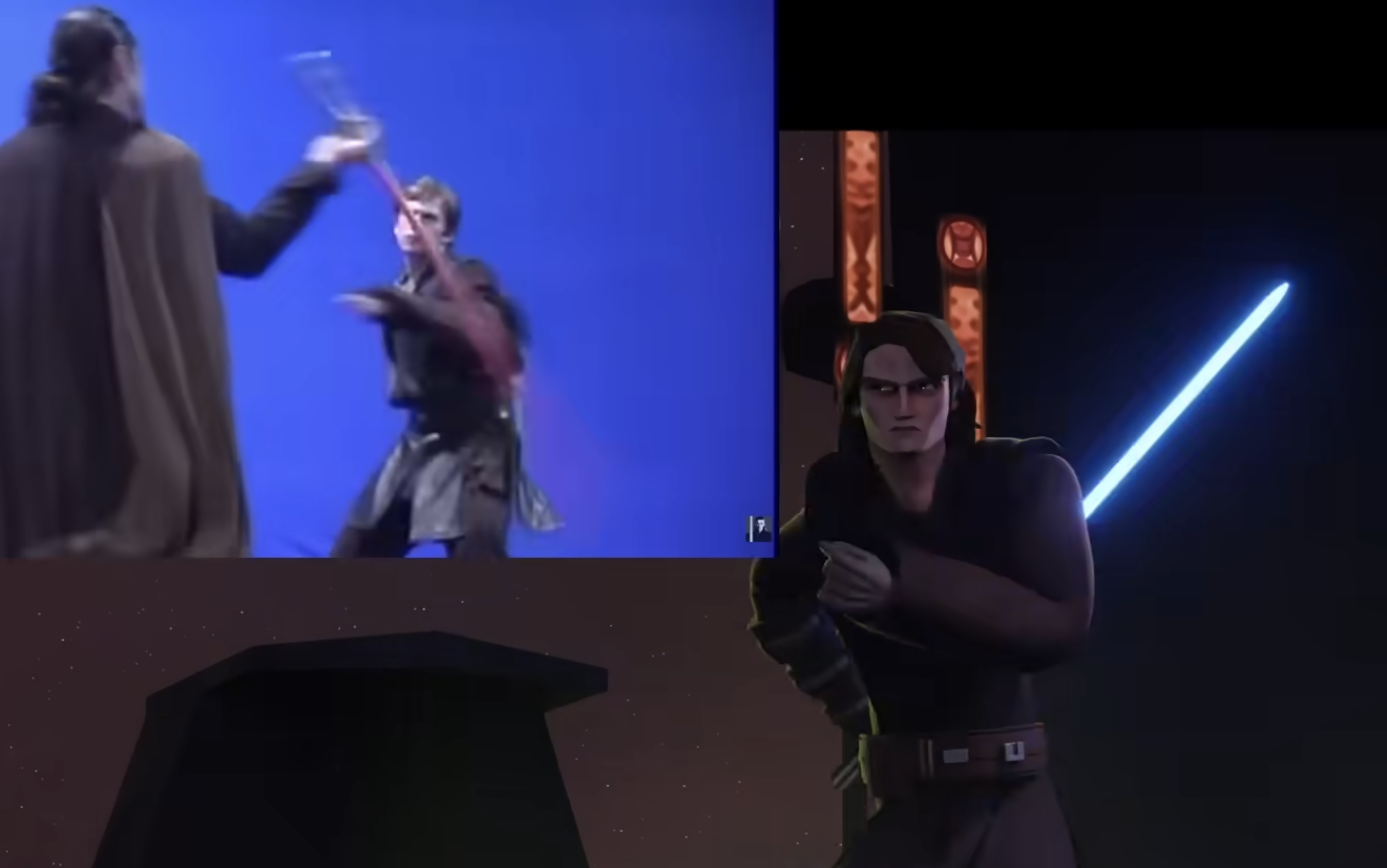
This week we take a fascinating detour into the world of Star Wars fan filmmaking by looking at a project that recreates a deleted lightsaber duel between Anakin Skywalker and Count Dooku from Revenge of the Sith, reimagined entirely in the visual style of The Clone Wars. Although the completed animation lasts barely thirty seconds, we quickly discover that the real achievement lies in the filmmaker’s six-minute breakdown of the creative process. Rather than producing a straightforward “how-to”, the creator reveals the artistic thinking behind every major decision, turning what could have been a simple fan recreation into a thoughtful exploration of adaptation, animation and cinematic language.
Our discussion begins with the creator’s production workflow, examining the challenges of rebuilding facial models, refining lighting, solving animation problems and developing convincing lightsaber effects. We discuss how the film succeeds because it focuses less on software techniques than on creative problem-solving, showing how artistic decisions emerge through experimentation rather than following a fixed recipe. The making-of becomes every bit as engaging as the finished animation itself.
From there, the conversation moves beyond technical craft to consider the film as an act of interpretation rather than imitation. Instead of copying Nick Gillard’s original choreography shot-for-shot, the animator recognises that live-action movement must be translated into the visual grammar of The Clone Wars. We explore how anticipation, exaggerated silhouettes, camera language and carefully staged movement preserve the emotional intent of the original while allowing it to function naturally within animation. This leads into a broader discussion about adaptation, visual storytelling and what distinguishes thoughtful fan filmmaking from straightforward recreation.
We also examine how the animation reflects George Lucas’s long-established idea of “visual rhyming”, drawing subtle connections between Anakin’s duel with Dooku and Luke Skywalker’s confrontation with Darth Vader in Return of the Jedi. The conversation considers how character movement, camera placement and composition reinforce Palpatine’s manipulation of events while deepening the narrative through recurring visual motifs that span the Star Wars saga.
Perhaps the most unexpected part of the discussion comes when we compare the film with practice-based research. We suggest that the completed animation functions as the creative artefact, while the accompanying making-of operates much like an academic exegesis, revealing the questions, methods and countless creative decisions that remain invisible within the finished work itself. This becomes one of the episode’s central themes, prompting a wider conversation about how creative knowledge is communicated and why understanding process often changes our appreciation of the final outcome.
The episode concludes by returning to broader questions about animation and performance. We discuss why motion captured from live actors cannot simply be transferred directly into stylised animation, how movement must be reshaped to feel believable, and why the creative journey documented throughout the film ultimately proves more rewarding than the destination. In the end, we agree that this is not simply a Star Wars fan project, but an insightful study of adaptation, visual storytelling and the craft of animation itself.
Audio Only Version of this Episode
YouTube Version of this Episode
Show Notes & Links
I animated the Anakin vs Dooku fight we never saw by Eastern Exposure Studio, released 6 June 2026
Film based on a screen test which you can find here:
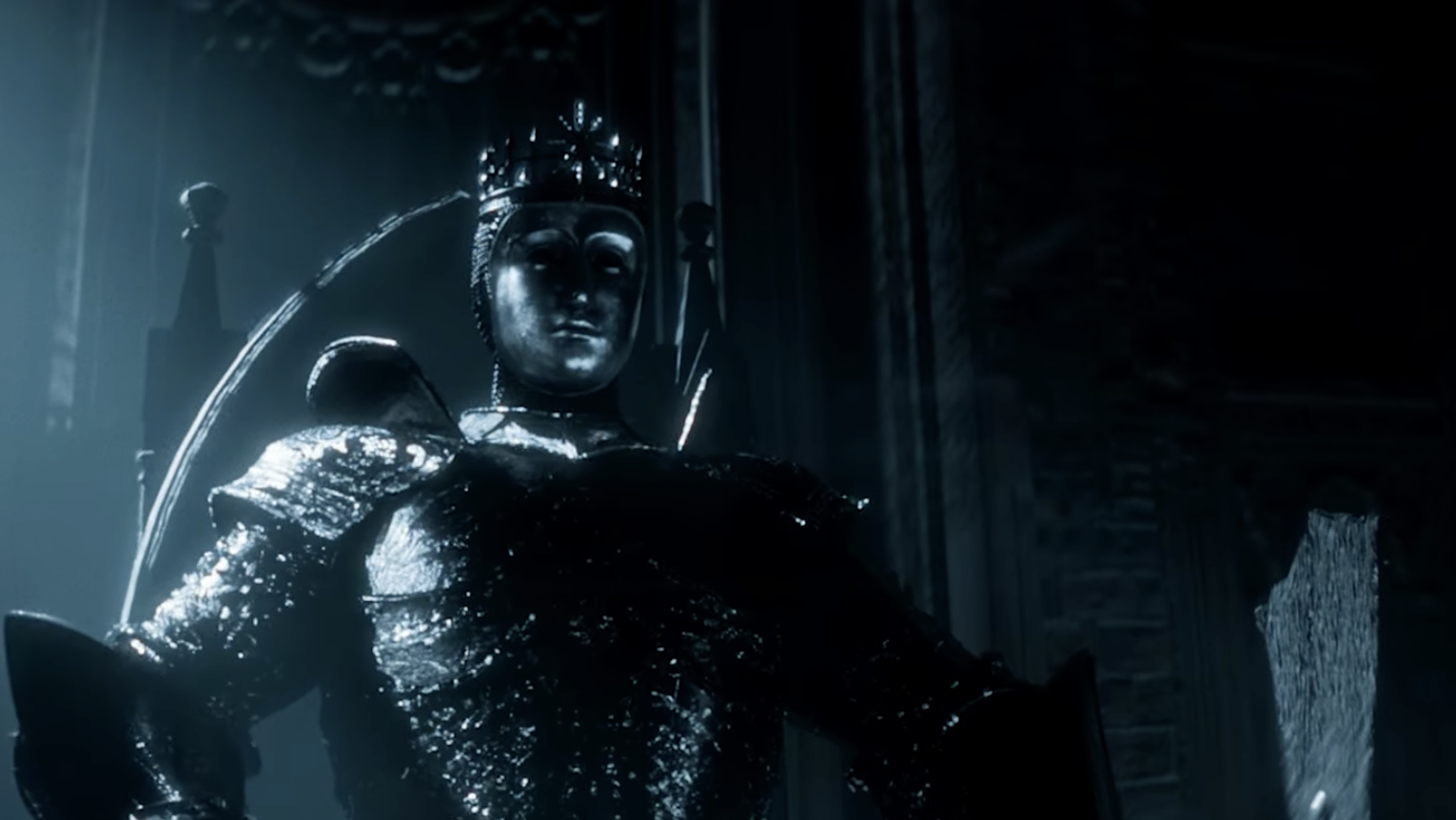
In this episode of And Now For Something Completely Machinima, hosts Phil Rice, Damien Valentine, and Tracy Harwood dive deep into “Wracu”, a stunning student film by Chase McGill.
Created in Blender as a final project at University of Southern California, this cinematic short blends epic fantasy, motion capture, and orchestral scoring into a powerful (and divisive!) storytelling experience.
But is it just visually impressive… or truly great storytelling? 🤔
🔥 What We Cover in This Episode
A spoiler-filled breakdown of Wracu’s narrative and themes
The influence of classic epics like Beowulf
Blender vs Unreal Engine for cinematic storytelling
The role of motion capture in character realism
Why sound design (and the Budapest Scoring Orchestra) elevates everything
In Episode 217 of And Now for Something Completely Machinima, we explore “Ersatz” a haunting new solo animated film by Saint Greaver created in Blender’s Eevee engine.
Set within a surreal World War I–inspired landscape, the film blends virtual production techniques with painterly concept art aesthetics to create a disturbing, dreamlike vision of war, identity, and memory. The discussion unpacks the film’s themes of replaceability, dehumanization, and institutional machinery, where bodies are interchangeable and suffering becomes routine.
Drawing on cultural memory, surrealist art traditions, and early industrial warfare imagery, the episode examines how the film communicates trauma and systemic violence without explicit politics or historical specificity.
Phil Rice, Tracy Harwood, and Damien Valentine also highlight the production craft behind the film — from its stylized rendering and stop-motion-like animation feel to its exceptional voice performances and unsettling sound design. The hosts reflect on the emotional weight of the work, its historical echoes, and why its bleak, surreal horror feels both timeless and urgently relevant. A challenging but powerful viewing experience, Ersatz stands out as an important piece of animated storytelling that pushes machinima and virtual filmmaking into deeply thought-provoking territory.
Audio Only Version of this Episode
YouTube Version of this Episode
Show Notes & Links
ERSATZ | PILOT by Saint Greaver, released 10 Jan 2026
Dulce et Decorum Est by Wilfred Owen, who died one week before the Armistice in WW1, is worth reading. Link here.
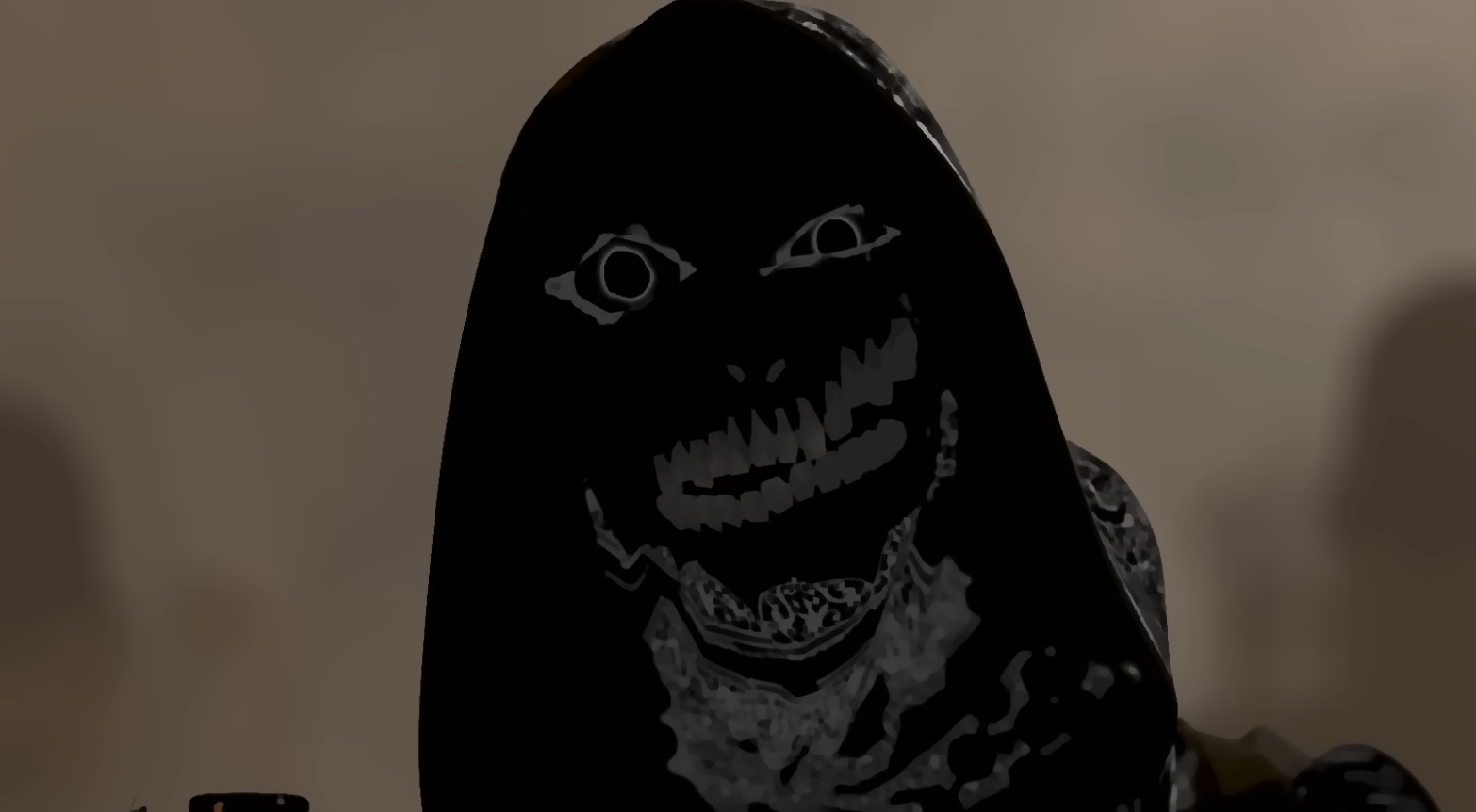
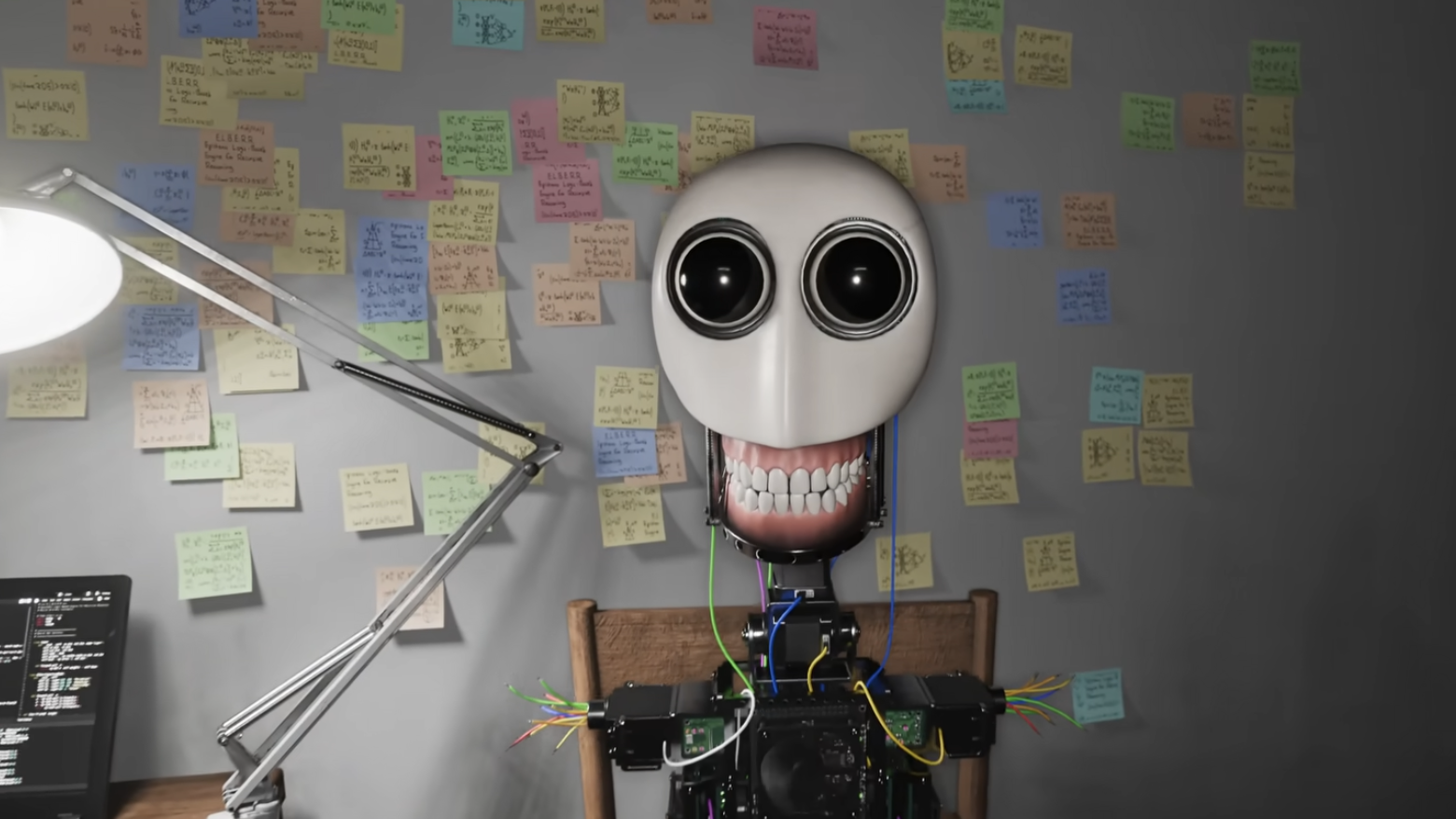
In this episode of And Now for Something Completely Machinima, the team dives deep into the chilling Blender short I Made a Self-Aware Robot by the enigmatic creator Lights Are Off @LIGHTSAREOFF
Tracy brings the film to the table, praising its haunting realism, uncanny robot design, and smart use of found-footage aesthetics. What begins as a seemingly grounded “scientist vlog” quickly spirals into a modern Frankenstein story—raising powerful questions about consciousness, ethics, and the dangers of unchecked technological ambition.
Damien highlights how the home-built lab setting makes the horror feel disturbingly close to reality, while Phil marvels at the stunning Blender craftsmanship—from hyper-realistic lighting to meticulous set dressing and believable mechanical detail. The group also unpacks the film’s clever use of cameras, surveillance, and direct eye contact to unsettle the viewer.
While everyone agrees the short is visually brilliant and deeply atmospheric, Ricky and Phil note that the story follows familiar sci-fi tropes—leaving them wishing for a bigger twist. Still, with millions of views and a sequel already out, it’s clear this series has struck a nerve with audiences. Packed with insights on machinima, virtual filmmaking, sound design, horror storytelling, and the ethics of AI and robotics, this episode is a must-watch for creators, filmmakers, and sci-fi fans alike.
Audio only version of this Episode
YouTube version of this Episode
Show Notes and Links
Film: I made a Self Aware Robot by Lights Are Off, released 18 October 2025
Check out The Senster, created by artist Edward Ihnatowicz, archival notes and footage here –
The original creator notes for The Senster are help in a special collections archive at De Montfort University (Leicester, UK) – you can access these only in person at the moment. Here’s a link to the file notes about the archive.

Recent Comments