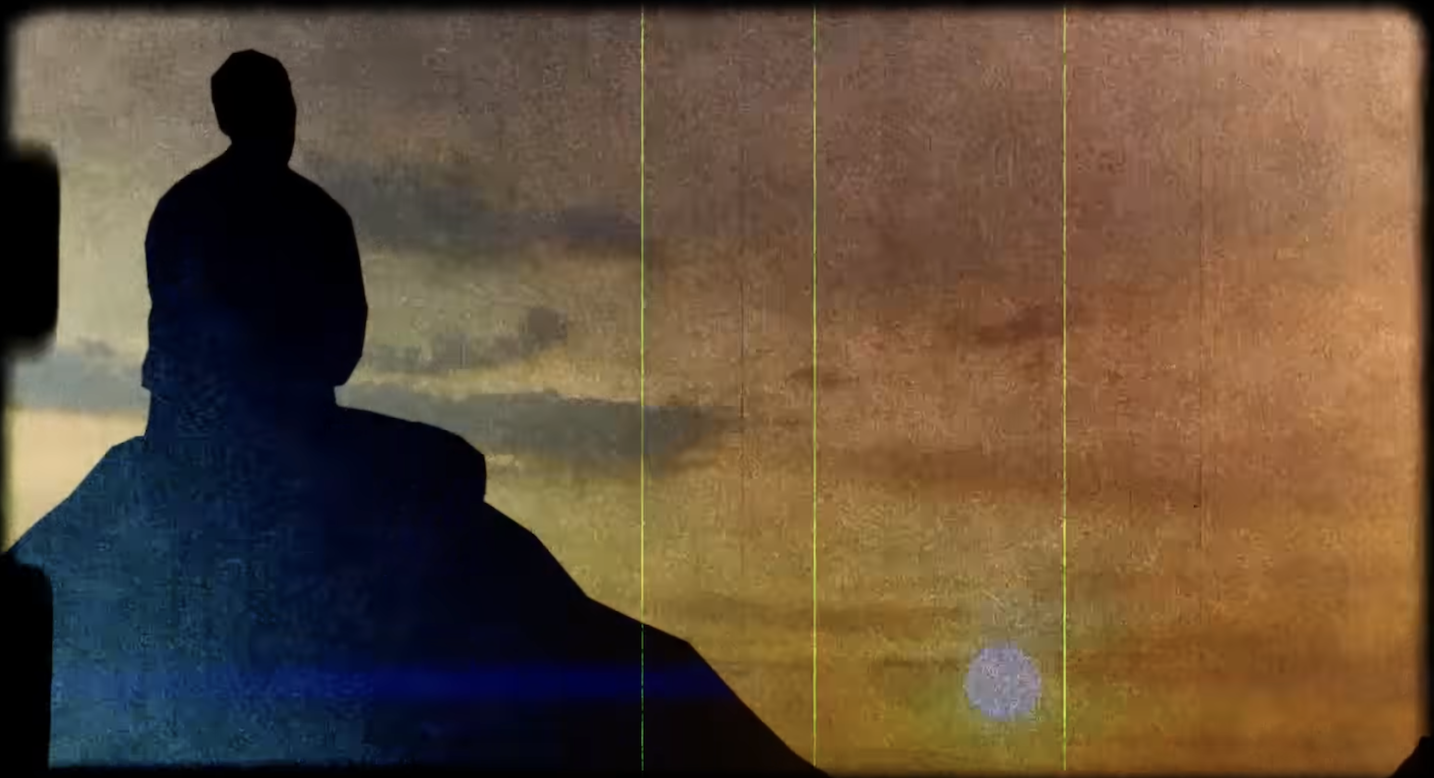
Phil brings us Lando’s video essay The Horror of Classic Fallout. What makes the original game unsettling: its grotesque creatures, its unforgiving countdown, or the institutions that promise safety while exercising control?
Ricky, Damien, Tracy and Phil discuss how the essay uses game footage, visual effects and sound to uncover the anxiety beneath Fallout’s cheerful retro imagery. They explore the Master, the game’s haunting ending, and the strange power of its early animated faces. The conversation then moves from Cold War nuclear fears to the concerns that keep Fallout relevant for new generations.
Audio Only Version of this Episode
YouTube Version of this Episode
Show Notes & Links
The Horror of Classic Fallout, released 25 April 2025, by Lando
What happens when a space marine comes home from war and tries to settle into family life? In this episode, Ricky, Tracy and Damien revisit Phil Rice’s 1999 film Father Frags Best with its creator. Phil recalls turning Quake II into a sitcom set, directing fellow players through typed messages, and using KeyGrip 2 to shape the camera work.
The discussion explores the film’s dark comedy, its inventive use of limited character models, and its place in early machinima history. Phil also reflects on how his relationship with the film has changed over the years.
Audio Only Version of this Episode
YouTube Version of this Episode
Show Notes & Links
This film is not on YouTube (at least Phil hasn’t put it there), and that’s because today it would not meet today’s criteria for allowable content. You can find the film in its original form on the Internet Archive – link here: https://archive.org/details/Father_Frags_Best/FFB_320.wmv
You can find a trailer for the video on YouTube here –
The production details and contemporary accolades are recorded with the preserved film at the Internet Archive.
A useful broader history of the period describes how Quake movies progressed from recorded gameplay towards scripting, custom assets and cinematic storytelling in Den of Geek’s history of Quake machinima
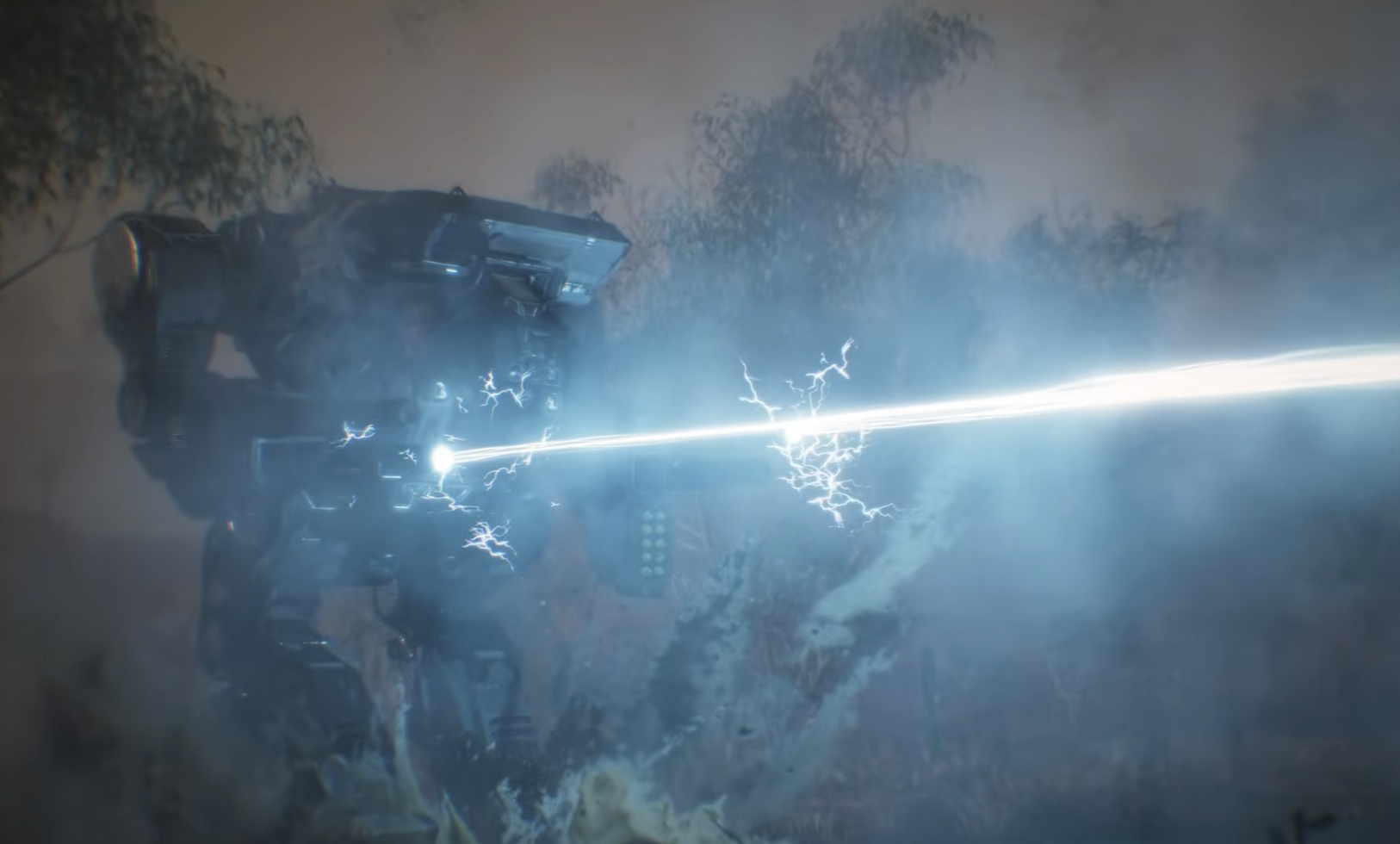
This week, Tracy and Damien explore TMC’s MechWarrior 5: Clans – Clan Mech Dioramas Director’s Cut, a striking collection of battle scenes that sits somewhere between machinima, virtual photography and digital sculpture.
Tracy introduces TMC, the German filmmaking collective whose work evolved from in-game footage and fan-made Hired Steel films into sophisticated Unreal Engine virtual production. That journey ultimately brought the team to the attention of MechWarrior developer Piranha Games, which commissioned TMC to create official cinematics for MechWarrior 5: Clans.
Unlike the narrative action of Hired Steel, the Director’s Cut suspends its battles in time. Its camera glides through intricately composed three-dimensional tableaux, revealing ruptured armour, weapons fire, smoke, sparks, water and airborne debris that would ordinarily pass almost unnoticed during gameplay. Tracy considers how this moving “digital eye” transforms spectacular combat into something contemplative, combining the monumental scale of war machines with the intimacy of painted tabletop miniatures.
Damien compares the experience to walking through an art gallery, where each frozen moment exposes the extraordinary detail underlying a fast-paced game. Their discussion concludes by imagining how these dioramas might become fully explorable VR environments—allowing viewers to move freely through the scenes rather than remaining bound to the filmmaker’s camera.
Episode Three was featured in the Projects Update of April 2023. We highlighted TMC’s increasingly accomplished storytelling and, in particular, its success in building empathy for the characters.
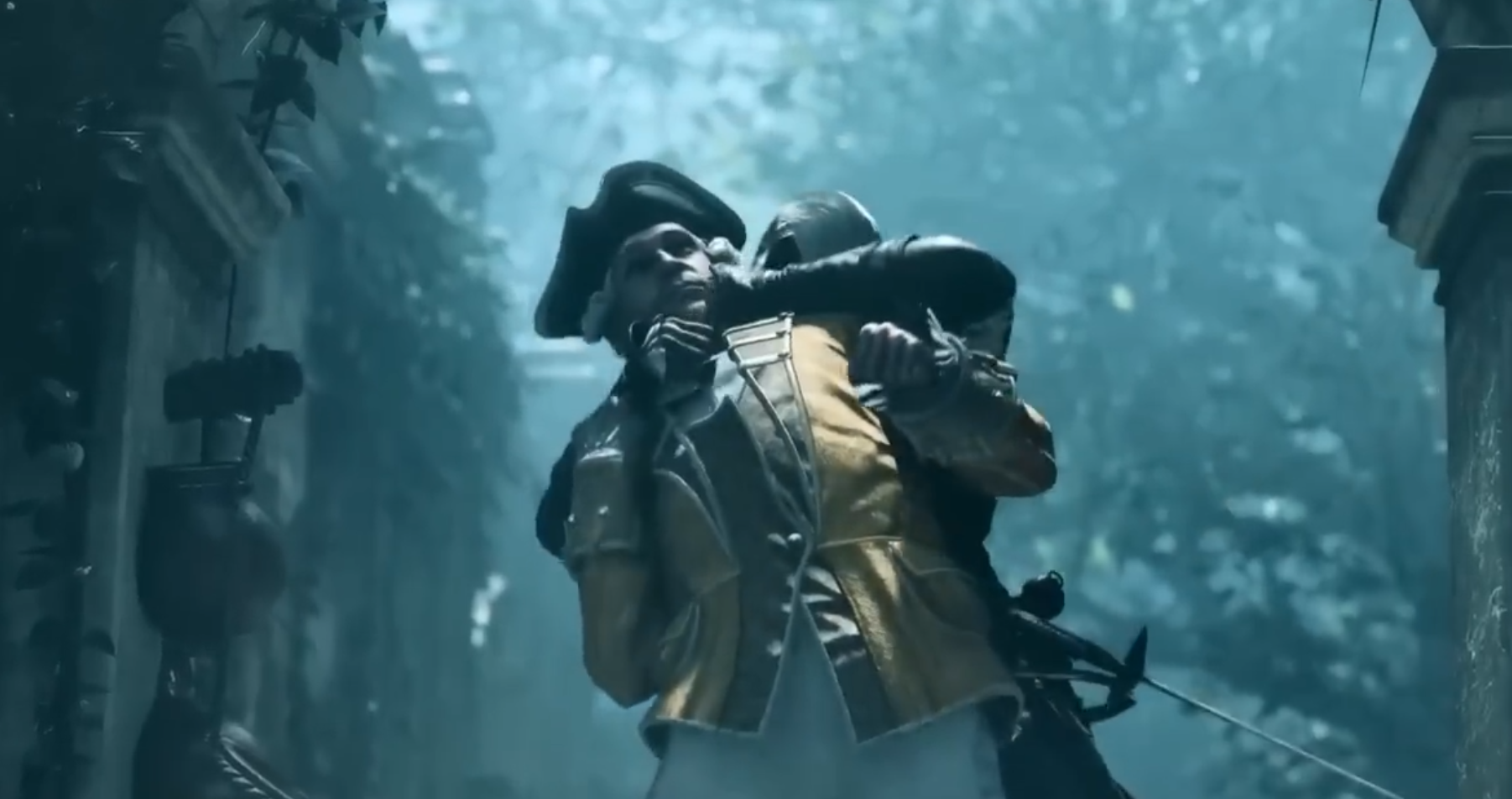
This week, Tracy and Damien explore JT Music’s Assassin’s Creed Black Flag Resynced Rap—a bass-heavy fusion of pirate sea shanty, nerdcore rap and meticulously edited game cinematics.
Damien explains how the video combines cinematic sequences with specially captured gameplay footage, transforming Black Flag’s naval battles, parkour and pirate action into a tightly choreographed musical performance. Tracy examines JT Music’s distinctive place between machinima, fan filmmaking and video-game music, comparing their approach with creators such as Dan Bull, The Stupendium, Rockit Music and Harry101UK.
The discussion highlights the extraordinary precision of the audiovisual editing: cannon fire becomes percussion, character gestures embody the lyrics, and combat, camera movement and typography are all synchronized to the rhythm. We also consider how this new version revisits JT Music’s original Black Flag rap, reflecting both the improved visual quality of the game and the development of the duo’s creative craft.
Finally, we reflect on JT Music’s enduring success. Having begun as JT Machinima in 2008, the group has retained its machinima roots while continually reinventing its signature form of character-driven game rap.
In this news episode, Tracy Harwood and Damien Valentine explore three very different developments shaping machinima and virtual storytelling.
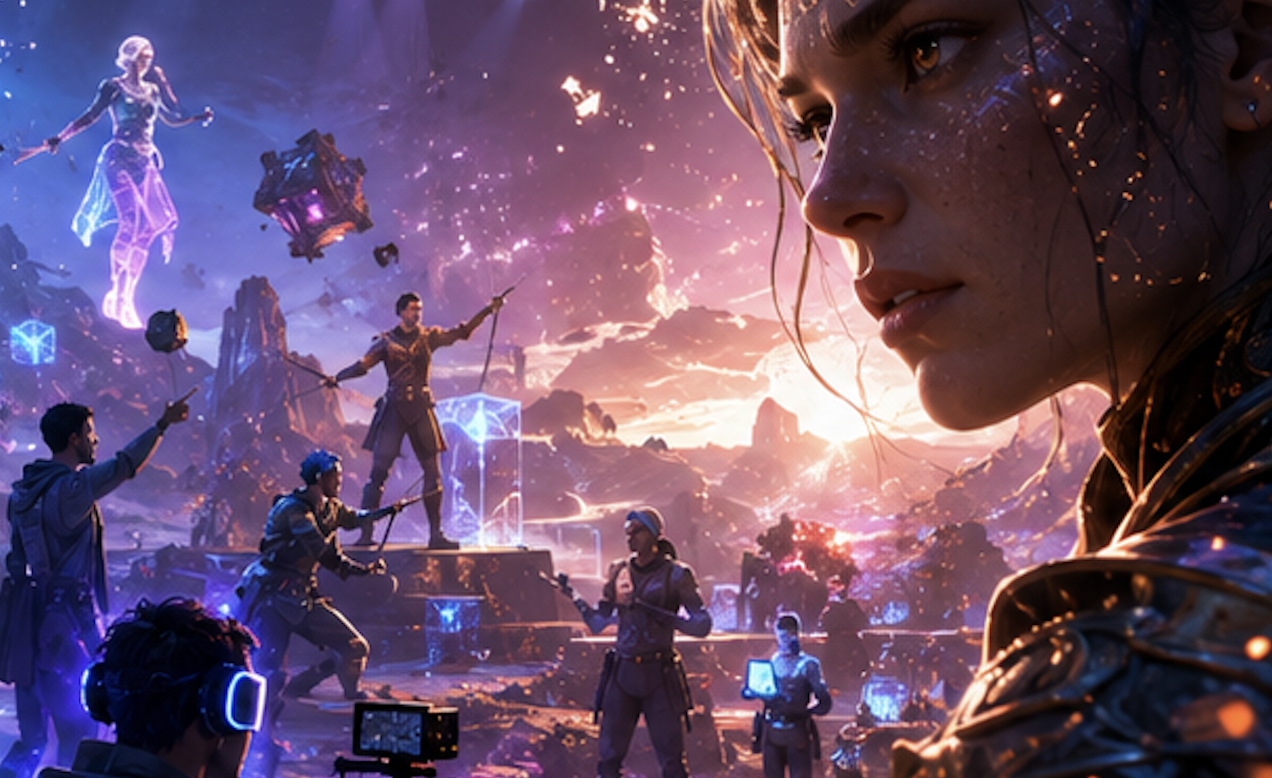
Tracy introduces DramaMancer, an experimental AI-powered storytelling platform developed through Midjourney’s Storytelling Lab. Rather than generating an entire story, DramaMancer combines an author’s characters, scenes and narrative framework with natural-language player input. Tracy considers whether this represents genuine player agency or merely a more sophisticated illusion of choice—and asks where authorship lies when stories are co-created by the writer, player and AI.
Damien responds by considering what happens when players push an AI-generated narrative so far from its intended path that the story can no longer progress, recalling the infamous research-order bug in X-COM: Terror from the Deep.
The discussion then turns to a recent panel featuring pioneers of Second Life machinima. Tracy reflects on how early creators transformed a social virtual world into a collectively maintained filmmaking environment through experimentation, shared knowledge and community initiatives such as Machinima Mondays. She contrasts this socially driven model of innovation with DramaMancer’s attempt to lower creative barriers through automation.
Finally, Damien discusses Reallusion’s new iClone RTX renderer, which promises ray-traced rendering inside iClone without exporting projects to NVIDIA Omniverse. He also explains his practical approach to facial performance capture with AccuFACE, including why subtle expressions, head movements and accurately performed dialogue can make such a dramatic difference to animated characters.
Dramamancer case study here, available on Storytelling Lab at Midjourney.
Q&A recorded at Silver City on 25 July 2026. The featured pioneers are Phaylen Fairchild, Chantal Harvey, Toxic Menges, Petlove Petshop and Saffia Widdershins –

Recent Comments