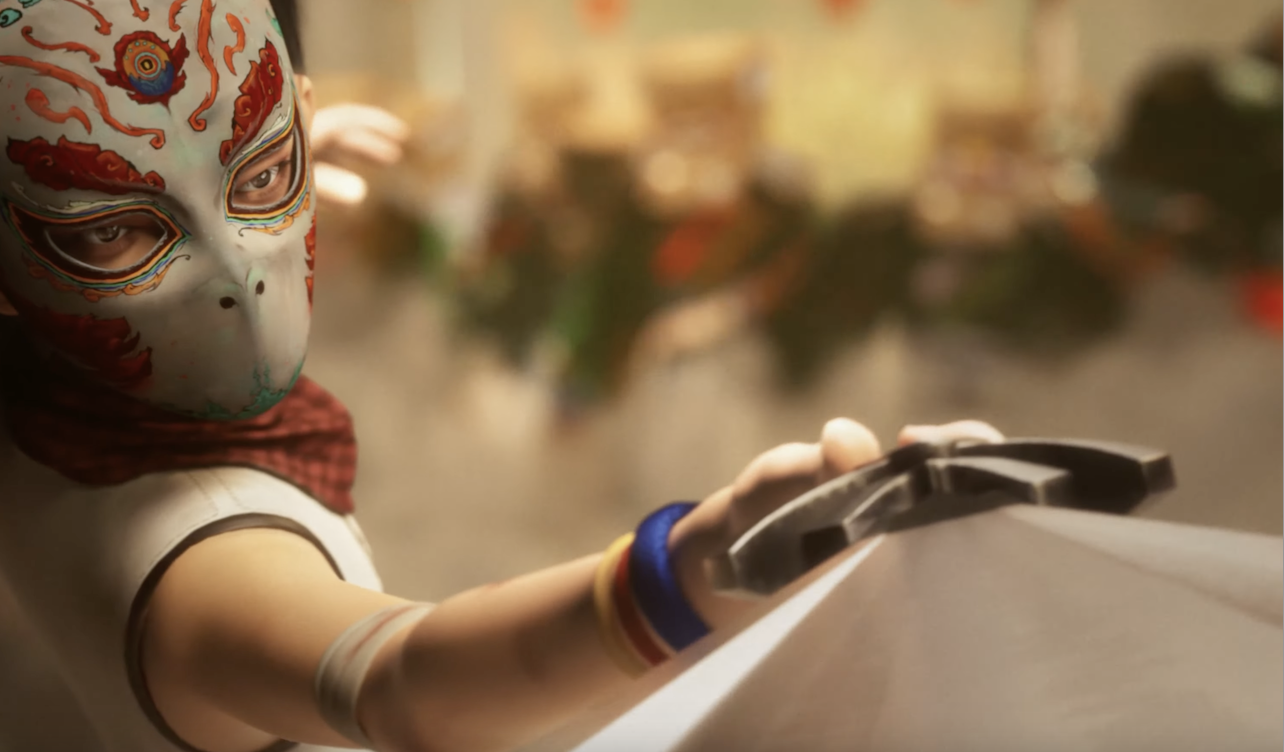
This week we feature two films by Chinese artist collective studio, Motzify Mohua. These two shorts, The Crown and Hunt, are made in Unreal Engine and show extraordinary qualities in very different ways: The Crown is a fairytale made originally for World Children’s Day and illustrates traditional cultural references with gorgeous imagery; Hunt is a cyberpunk anti-hero teaser. Our main ‘complaint’ is that we need more detail from the artists!
YouTube Version of this Episode
Show Notes & Links
Films, The Crown, released on 1 June 2023
Hunt, released on 5 May 2023
Political references also in our film review E81 Still Here, also made in Unreal Engine
Don’t forget to check out Phil’s Machiniplex Remastered curated machinima site. One we mention in this episode that was particularly inspirational in the context of this week’s film reviews is Snow Witch (Britannica Dreams, released 2006), film link –
This week’s update is all about the virtual production pipeline and digital cultural history.
VP Pipeline
DaVinci Resolve 18.5 (and .1 fixes) has finally released, and Blackmagic Design have a comprehensive support centre you can make use of here (only for the pro version license holders). The version includes a bunch of new features for integrating AI genie content and collaboration. Here’s an overview, courtesty of MrAlexTech –
Unreal Engine has an ever-expanding and truly talented community. In this tut, Jonathan Winbush (our feature image this week) shares his approach to creating procedurally generated towns using PCG and blueprints inside UE and Cargo (Kitbash3D). Winbush has a wealth of material on his channel, all free, for anyone to pick up and work with, so there’s really no excuse not to learn Unreal Engine –
Boundless Entertainment has release a course for filmmaking, pre-viz and VFX. Its designed for taking beginners to more professional levels in 10 days… mmm, lets see! Its not free, like many of the YouTube tutorials, but for $180 it will undoubtedly suit some learning styles.
Finally, if you want to share your VP process and also learn from others, Nvidia has a new #StartToFinish challenge running til the end of August. Its focussed on those working with the Omniverse platform, with a chance to be showcased on their social media channels. You can find out more about it on their Discord server.
Digital Culture History
We were interested to see a post on the BBC’s website that reported on NoClip’s Danny O’Dwyer rescue of hundreds of hours worth video content of gaming history from landfill. The collection mostly pre-dates YouTube, and comprises of footage and media clips that were cut from being shown on TV or websites. You can see Danny talk about his gold strike here –
We look forward to seeing what Danny digs up as he goes through the material over the next 10 years or so.
Back to the Future, that classic 1980s trilogy we all love for a whole range of reasons, is BACK again. This time, its as a Musical at the Alephi Theatre in London’s West End and the Winter Garden Theatre on Broadway, and in 2024, a North American tour. Its also fascinating to hear the rejection story of Bob Gale and Robert Zemeckis’ original film script – rejected over 40 times before finally being signed. There are certainly many lessons in here for creatives today, not least the process of adapting film FX to theatre, for which MoveAI/Disguise for mocap and virtual production techniques are being employed –
A first in the UK, with a 5G screen test for a dual-location virtual production method for real-time performance capture –
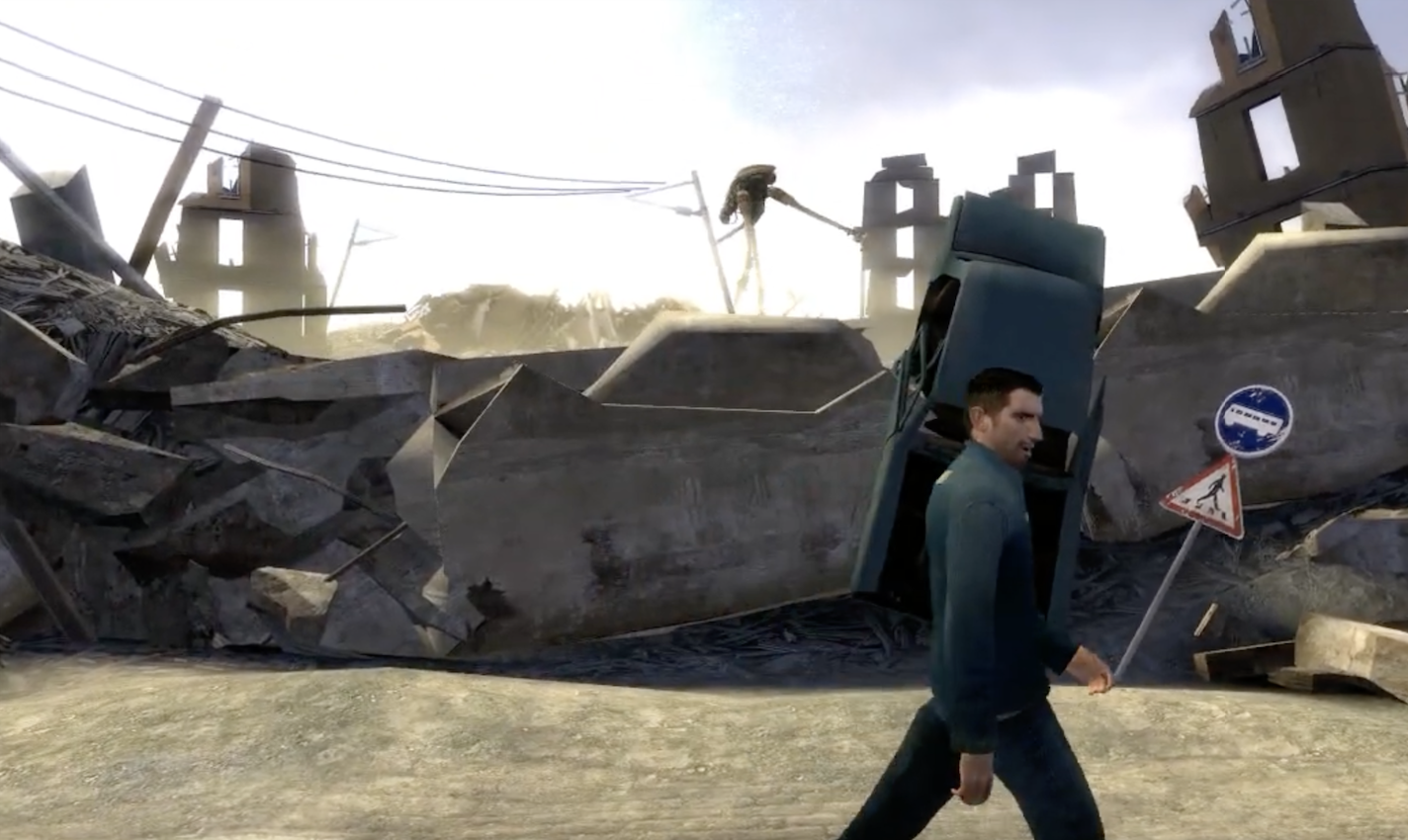
A performance by a camera ham, shutterbug or just a plain histrionic narcissist? This week’s review discusses an older machinima that has highly contemporary themes in it: carry-on-regardless, daydreaming, whatever, so long as the virtual camera is rolling. The film is called Daydream (2009) set to the titular song by Lovin’ Spoonful, created by Mystfit and made Valve’s Half Life 2. Needless to say, we loved the humor but what makes this machinima interesting is that it was a scripted production created by running a path sequencer inside the game, harking back to the early days of how machinimas were made but so is reminiscent of how contemporary tools such as iClone and Unreal now work.
This week we also begin with Ricky talking about ultra-wide monitors, using it to play Elden Ring (a mod required) and the #SAGAFTRA strike; and, Phil gives an overview of his remastering project of the Machiniplex collection and his homage to the great Hugh Hancock, founder the #machinima movement, the upcoming showcase of Bloodspell and also his own response to some of the hoopla that Hugh created at the time of its release in 2006!
YouTube Version of this Episode
Show Notes & Links
Film, Daydream by Mystfit, released 6 January 2009
Our final post this month takes a look at more projects made in Unreal Engine. Once again, we are blown away by the incredible diversity of creative work made with this engine and the power it unleases among its ever growing community of users. It is not always cheap to do, but it can sometimes be free! Check these out.
Scaled Up
Planet Earth as an 80K digital recreation, designed for ‘orbital scenes and cinematic scenes of Earth, this model is available as a download in the Unreal Marketplace. It took creator Tuomas Hakala (aka MegaMammoth) two years to create and boy does it show. Its not a cheap asset to buy at £550+, but if this is something you want to include in high fidelity work, its surely worth it –
Leo Torres has re-created and upscaled vision of his beloved Skyrim Whiterun world. He has made some assumptions about what the world might scale to, stating that although its hard to tell just how big the population of the game might be, he is pretty sure it will exceed what was seen in the game! He’s used experience and fan facts to produce something that is ‘lore-scale’ – wonderful, even if its not playable –
Highlighted
Another Unreal short is DISTANCE by Machina Infinitum, a 3D fractal short made using a plugin the creator has built for UE5 called Essence. Their intention for using the tool is create realtime renders, typically for VR. Its on the Marketplace here at a very reasonable $40, and check out the video, released 17 Oct 2022, here –
Freedom!
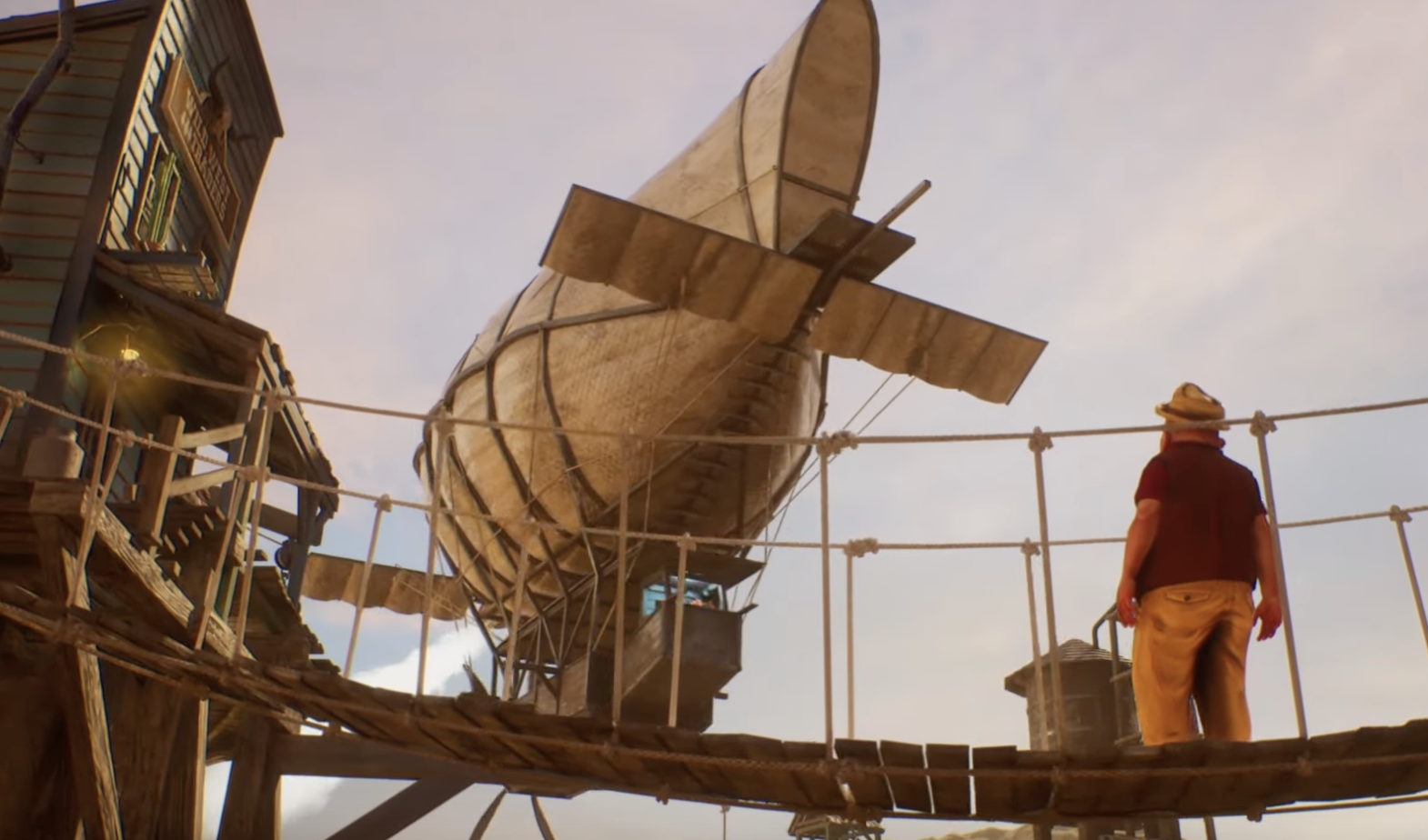
We’ve been talking about no/low cost movie making since machinima.dot.one (1996 actually) so its great to see that mantra being picked up by others. In this case, Taiyaki Studios have made a short demo, called Airship DJ, in UE5 and another on how they made it. Check out the films here –
Film, released 21 July 2022 –
Explainer featuring Cory Williams, released 21 July 2022, here –
This week, we’ve got a few things for you to add to your tools list and some info about things you’ll be keen to watch out for… but before you check those out, we share with you a showcase of Unreal’s MetaHuman and a rather creepy demo of tendons in Blender!
Showcase
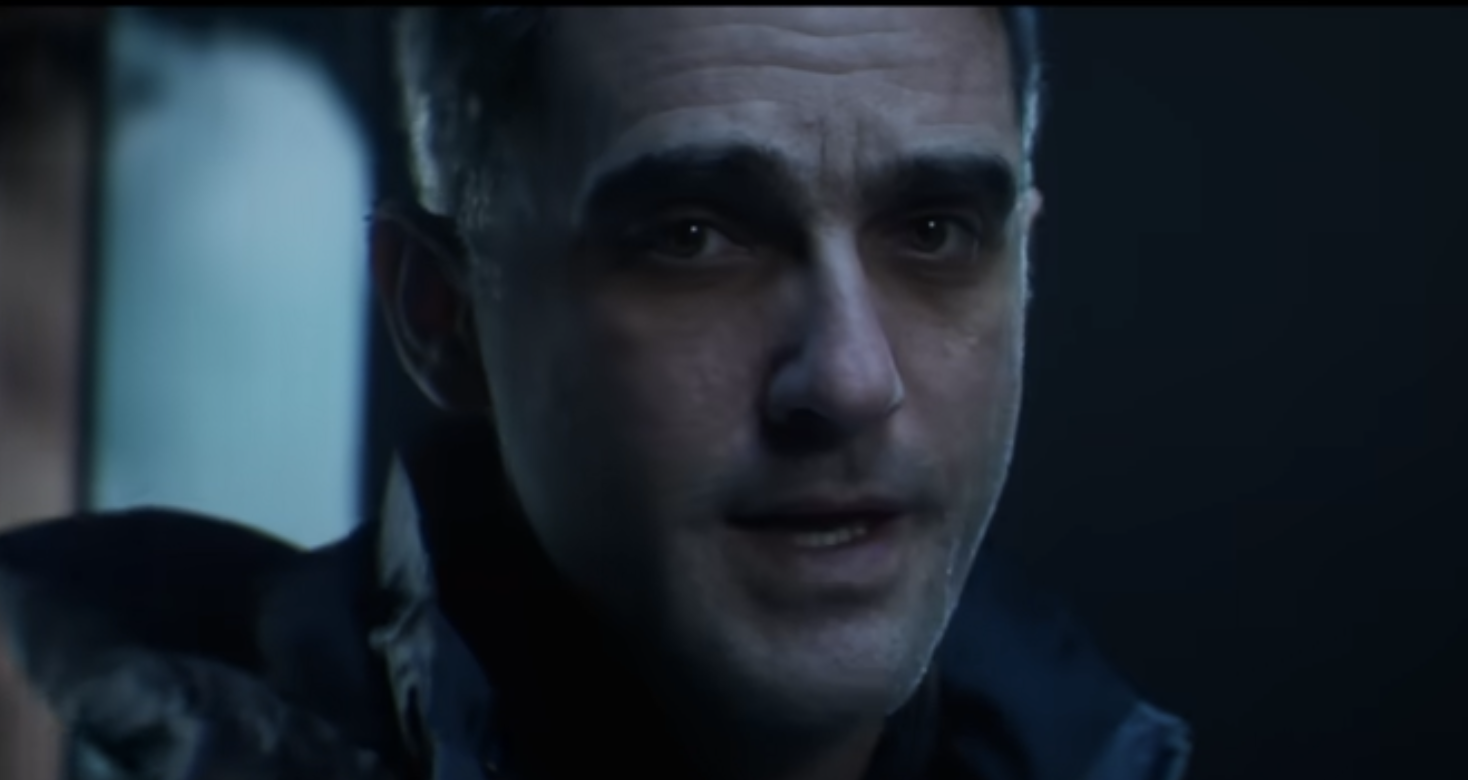
This is a creative piece, made using Unreal’s MetaHuman, that will give you goosebumps – note the very detail of the facial animation and especially the whistfulness captured in eyes of the character. You could almost see this guy opening a bank account using facial recognition tech! The short, based on a poem by Mike Antic, is called Blue Dot and has been created by Epic’s 3Lateral team in collaboration with Serbian artist Radivoje Bukvic (released 15 June) –
In this uncanny valley special demo created in Blender, Chris Jones‘ shows a ‘throwaway WIP’ – its great but if this is modelled on someone’s actual hand, well, I don’t really want to know more…
Out Now
Reallusion has released free ZBrush and Character Creator plugins. Both are excellent tools for refining your animations, and the ability to link these together makes for exciting new possibilities for improving your workflow. Here’s the link to the downloads and here’s a video explainer –
The popular open world game, No Man’s Sky is now also available for Mac. This may or not make it more accessible to creators because, of course, most of the tools folks have are still only PC but nonetheless its a start!
Onwards and Upwards
Unity, in collaboration with Apple, has devised a Beta programe for creating ‘spatial experiences’, intended to support development of content for the Apple Vision Pro. You can sign up to participate here.
Unreal features a neat demo of its massively scalable procedural generation framework (PGC), which ships with version release 5.2. This looks great – the demo is called Electric Dreams, and also illustrates its amazing Substate system. Video link here –
Worth Waiting For
Blockbuster Inc., seemingly made in the mold of that well-known machinima creator studio released way back in 2005 called The Movies, has released a demo which is now on Steam (it is being developed by indie studio, Super Sly Fox). Here’s the link – the full release date is reported as being later this year.
We’re all eagerly awaiting Blender 4.0, right (due November 2023)? As part of the release, Grease Pencil 3.0 will be included in its 2D animation toolset, originally an annotation tool that has evolved to do quite a bit more. You can read the update on Blender’s develop blog here.



Recent Comments